Summit Launches Conversation on Outdoor Recreation Pressure
Idaho’s outdoor recreation industry is a pretty big deal. Hunting, fishing, hiking, off-roading in the vast forests and rangelands Idaho has to offer is a big reason many of us live and play here. Outdoor recreation also accounts for an estimated $4.5 billion in the state’s GDP, as if imposing a dollar value changes the critical role it plays in the lives of Idahoans or the tens of thousands who visit our state each year to play in the woods.
But Idaho’s popularity and population growth in the last decade is generating new concerns surrounding access and opportunity for recreating outdoors. Overcrowding on hiking and biking trails. Jammed trailheads during hunting season. Trout streams packed with guided drift boats. It’s a familiar refrain to Idahoans no matter the season or pursuit.
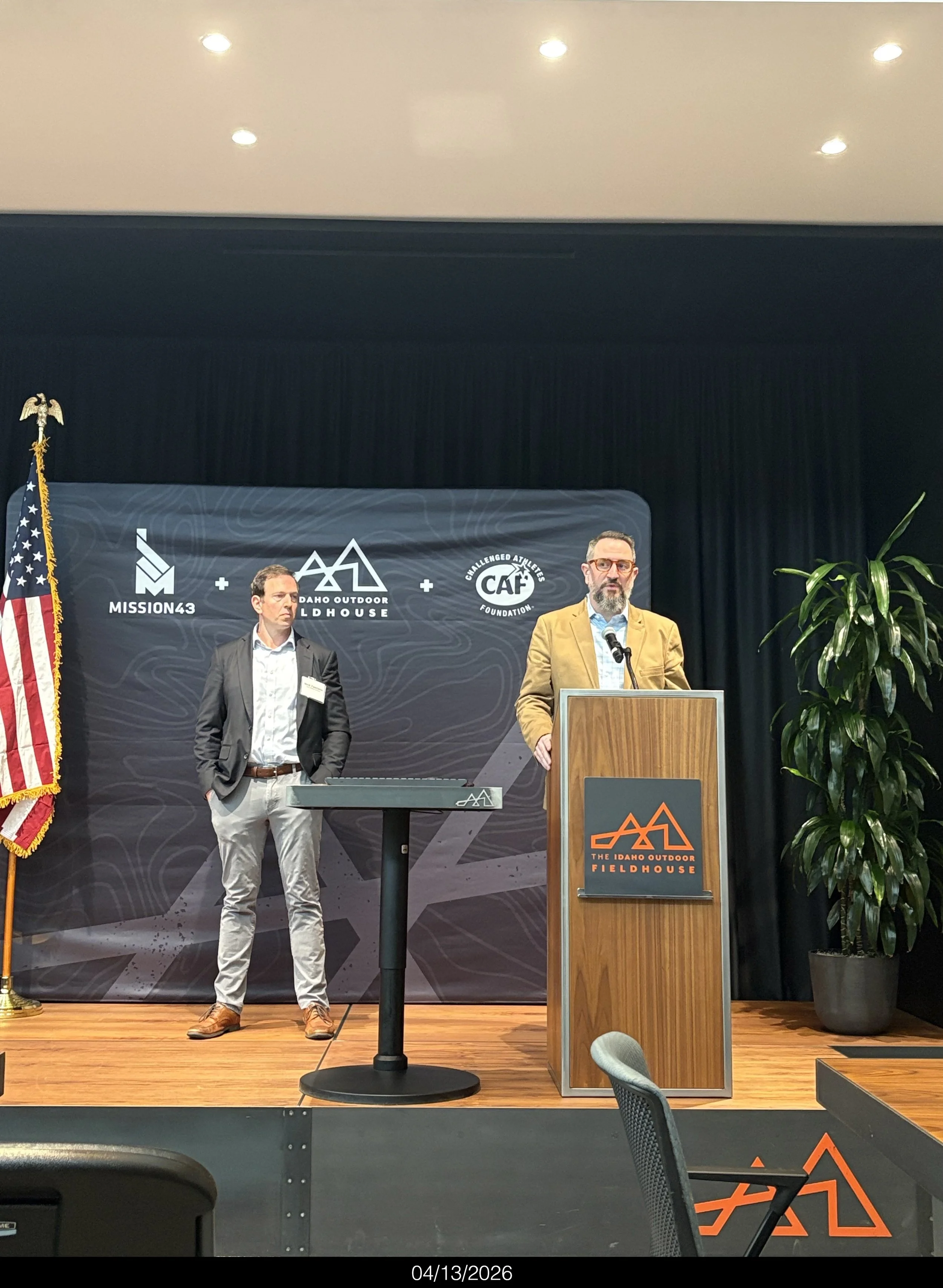
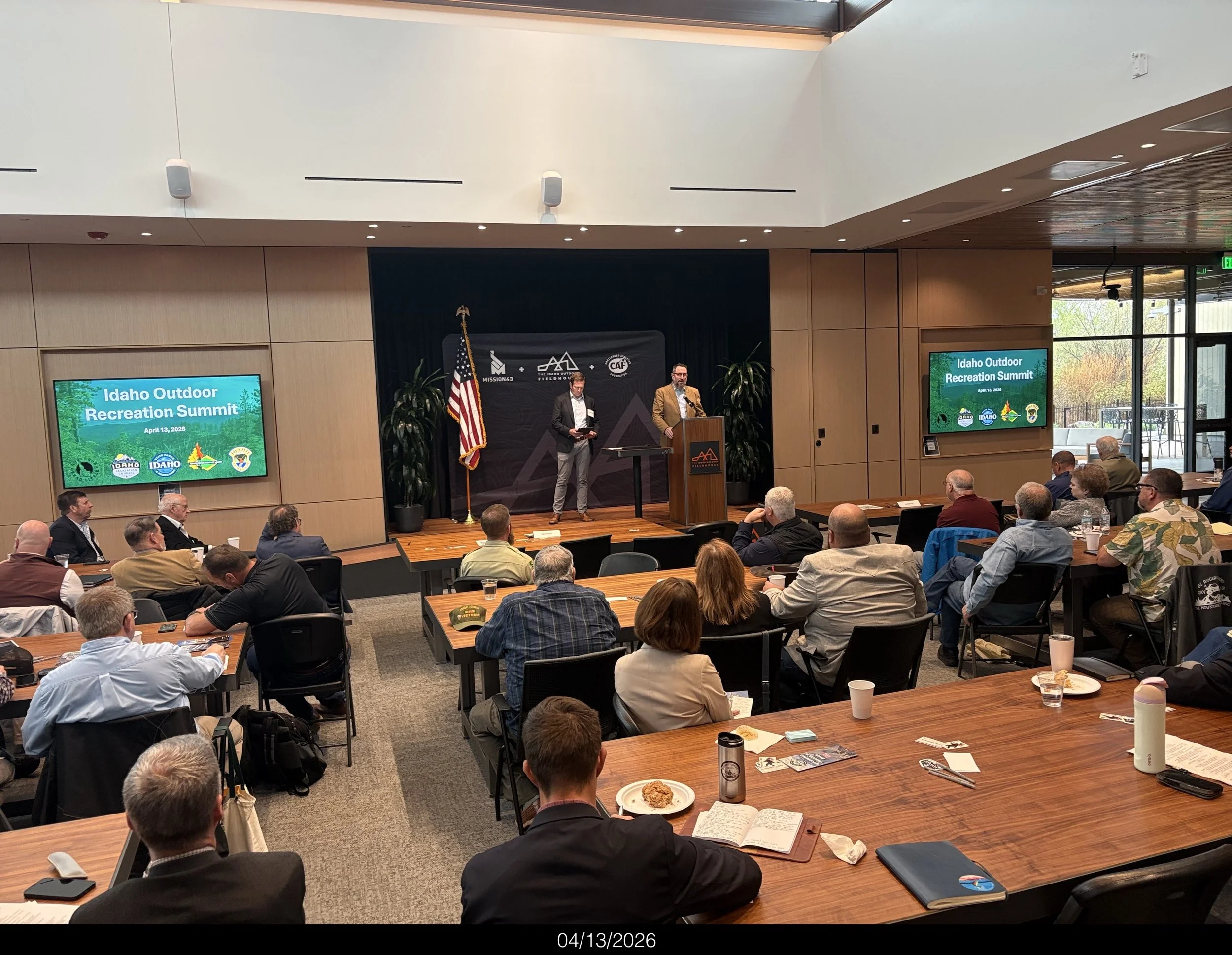
With prompting from Gov. Little and broad recognition of state of play, a collection of outdoor industry leaders, lawmakers, sportsmen and government officials gathered April 13 in Boise for the first Idaho Outdoor Recreation Summitt. The half-day discussion was organized and hosted by the Idaho Recreation Council and its Executive Director, Dan Waugh. It was especially gratifying to see state legislators from across the state in attendance at a time when many are dealing with testy campaign challenges in advance of the May 19 primary election.
To be clear, none of the issues that brought folks to the summit were solved. Instead, the goal was to begin a conversation, share ideas and make connections in hopes of creating a realistic and reasonable statewide vision for the future of Idaho’s outdoor recreation industry. Areas of focus and conversation included:
Access to state lands, parks and inter-agency partnerships: Addressing barriers for accessing state lands while maintaining sustainable funding mechanisms for the endowment.
Sustainable recreation and strategic vision: Responsible shared use of land and water recreation opportunities, sustainable trail development, among others.
Economic prosperity: Fostering strong local economies and statewide outdoor recreation tourism growth.
Innovative solutions: Developing problem-solving solutions to meet an ever-changing landscape and set of demands.
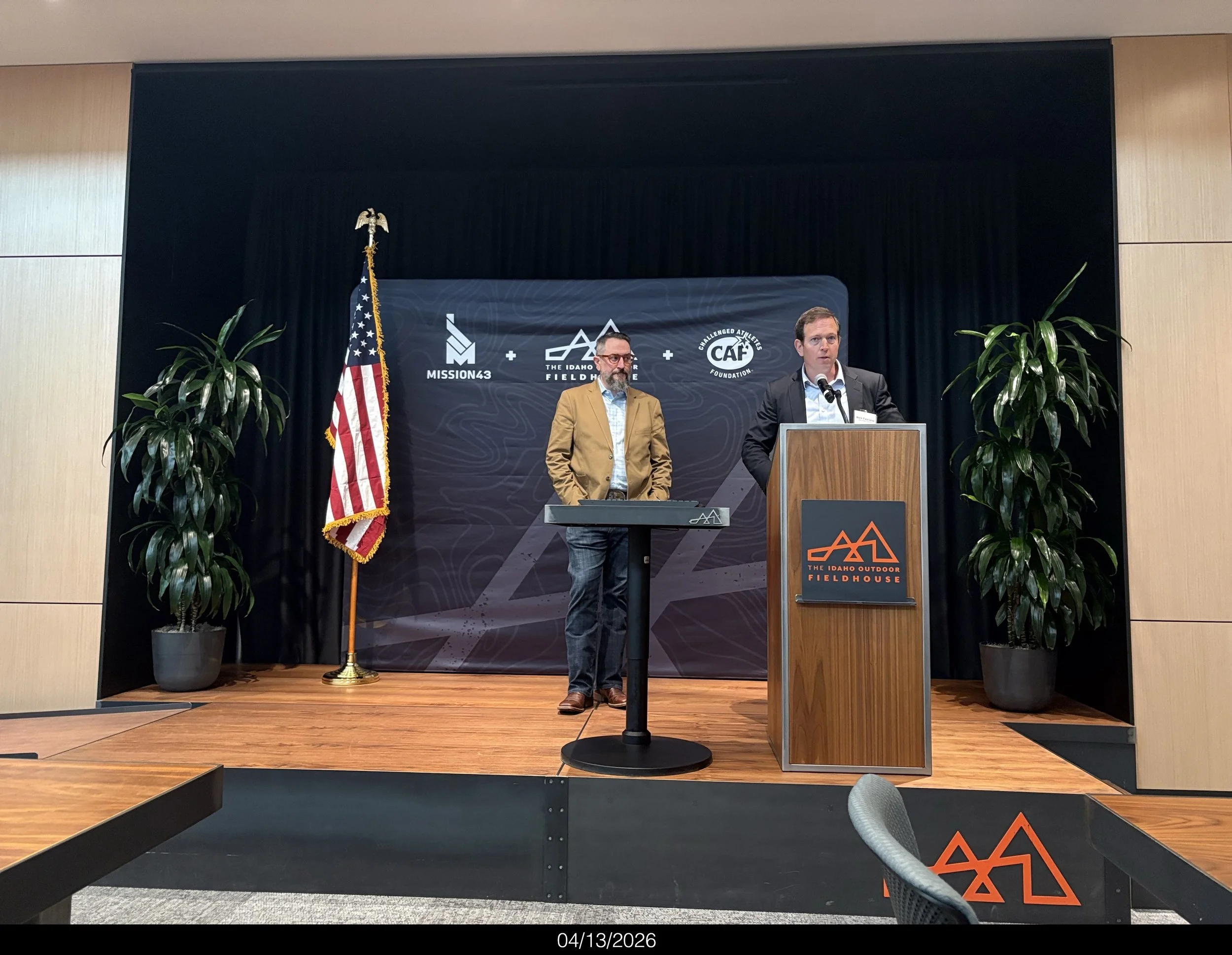
Benn Brocksome, Founder of Idaho Sportsmen Access and Opportunity (ISAO), was one of the speakers. Brocksom and ISAO have been calling attention for several years the growing stress and pressure on outdoor resources due to population growth and overall increased interest in outdoor activities. Brocksome shared the stage with Nick Fasciano from the Idaho Wildlife Federation. Brocksome emphasized the need to manage public lands, state and federal.
“I don’t think we have an access problem in Idaho. We have a pressure problem,” he said. “There are simply too many people trying to use the same spaces. We’ve got to wrap our heads around the fact that recreation in this state is a multi-billion dollar industry. We need to treat recreation as a professionalized opportunity.”
Brocksome also stressed the importance of ongoing communication and collaboration, citing the recent success during the Idaho Legislature with passing a resolution for public lands, another for wildlife crossings and sportsmen working together to lead on issues in the state Capitol and more importantly, in Idaho’s Outdoors.
The policy wins are due in large part, he said, to different sportsmen groups partnering with state agencies and others to advance a policy that serves wildlife and the public. Brocksome added that this should serve as the model for bringing collaborative and comprehensive solutions to the forefront.
The summit closed with remarks from Mike Boren, Under Secretary for Natural Resources and Environment at the Department of Agriculture. The takeaway from Boren is the importance of public collaboration to get things done and improve access on federal public lands. Financial belt tightening in Washington, D.C. he said puts the onus on sportsmen and recreationists to take on maintenance projects. For his part, Boren said the agency is working to eliminate rules to serve as a roadblock for the public to get involved.